Black box vs. White box vs. Gray box Testing
Black box testing
Black box testing focuses on the behavior of the software on a surface level. This means the tester cannot see any technical details such as code or the structure. Testers are not concerned about the inner workings of the software, rather only on the inputs and outputs. Therefore black box testing comes from the perspective of the user which allows testers to uncover any bugs and/or design flaws that would directly affect the user’s experience.
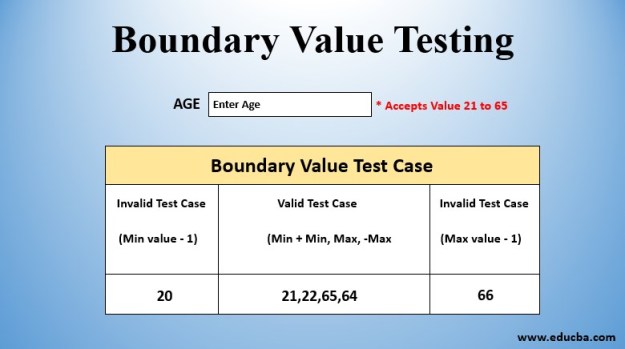
Some black box testing procedures include boundary value analysis, equivalence partitioning, and decision table testing. Boundary value analysis tests whether the software results in the correct output when the input contains the lower or upper limit of the input range. Equivalence partitioning groups all possible inputs into categories, which can reduce the number of total test cases. Finally, decision table testing involves grouping inputs into a table and testing how the software behaves when those inputs are combined.
White box testing
White box testing is the opposite of black box, meaning testers are given the internals of the system such as the code, the structure, and how its implemented. White box testing allows testers to fully understand how the software is executed. Having access to the internals of the software can help testers find issues related to security vulnerabilities, broken data paths, etc. while black box testing could not focus on those type of issues.
White box testing can be completed with a few techniques. These techniques include statement, branch, and path coverage. Statement coverage ensures that every statement in the code is run and tested at least once. Branch coverage executes all possible branches (i.e. conditional branches) in the code to be tested. Path coverage uses test cases to cover all possible execution paths throughout the software.
Gray box testing
Gray box testing combines black and white box testing into one. Therefore testing can be done from the perspective of the user, while still having access to the software’s internal code. Gray box testing is helpful when identifying problems that may otherwise be hard to find with other types of testing.
A couple techniques that are used in gray box testing are Matrix and Regression testing. Matrix testing looks at all variables in the code and assesses its risk level. Doing this can identify unused/under-optimized variables. Regression testing checks that software changes or bug fixes do not create new errors.
Reflection
This article was chosen because it clearly described the different types of box testing, and what each does. While reading the material, I realized that what we have done in class (equivalence class, boundary value testing) are actually black box testing techniques. I enjoyed learning about the different techniques that are used, and the benefits of them. Although developers and testers are two different roles, developers sometimes play the role as the end user when black box testing, so having a basic understanding of the different types of box testing will be helpful in the future.
References:
https://www.shakebugs.com/blog/black-vs-white-vs-grey-box-testing
From the blog CS@Worcester – Zack's CS Blog by ztram1 and used with permission of the author. All other rights reserved by the author.